Action Step -Reflect and Regroup to Create a Forward-Thinking D&I Program

The Alliance’s Action Steps are designed to assist organizations with implementing practical strategies and policies related to diversity and flexibility.  Members can access full versions of all of the Alliance’s Action Steps in the Member Resource Center.

As part of the year-end strategic planning process, organizational leaders should reflect back on their Diversity & Inclusion goals, programs, and policies to make sure they are achieving the desired results. Decision-makers should also reflect on industry trends and obstacles and develop ways to effectively advance change. By reflecting and regrouping, you gain valuable information to revamp your strategic plan and shape it into a forward-thinking D & I program.

– Assess Current Programs & Policies: Look at your current D & I programs and policies, and review the metrics to see if they’re achieving the intended goals. In order to assess these programs, review usage, data correlations to retention, advancement and satisfaction, perceptions, and general feedback. You can obtain this information through annual surveys, pilot program evaluations, human resources data, check-in meetings, insight interviews, and focus groups. Once you review this data, you can determine if programs are meeting their stated goals or if they need to be revamped.

– Consider Additional Programs & Policies to Fill Gaps: After assessing current programs and policies, think about what additional programs may be necessary to fill gaps and meet broader D & I goals. It’s important to gain an understanding of current industry trends by reviewing relevant D & I studies and industry research reports. You’ll have a clearer understanding as to what types of new programs and policies peer organizations are implementing. Consider adding these types of programs at your organization in order to stay forward-thinking, especially when they correspond with your broader D & I goals. For example, if one of your D & I goals is to advance more women into leadership positions, then consider adding mentoring and sponsorship programs, an on-ramping (gradual return to work from leave) program, and a gender-neutral leave policy…

Read more

Are You Walking The Talk on Flexibility? | Thrive Global

#MeToo: Changing the Discussion and What it Means for Your Organization

Tuesday, December 11, 2018

Featuring — Grace Speights, Morgan Lewis

Reports of workplace sexual harassment and sexual assault by high-profile individuals and high-level executives have captured the public’s attention. The #MeToo movement has led to more and more women sharing their experiences and has encouraged employees to speak out. As sexual harassment claims continue to come to light—with sometimes very public consequences—many employers are seeking a more proactive approach to reviewing harassment policies, response plans and practices, and workplace culture, and are taking new approaches to training employees, executives, and boards of directors on their obligations to ensure safe, respectful, and inclusive workplaces. In the current climate, it is prudent for all organizations to assess risk factors and implement measures and policies to minimize risks related to workplace harassment and misconduct. In this session, Grace Speights will share best practices and insight gained from her experience handling some of the most significant workplace harassment issues companies are facing today.

Spotlight on Flex – Adie Olson

Our Spotlight on Flex showcases professionals from member organizations who exemplify personal and professional success while working a flexible schedule. Their stories illustrate the long-term benefits that flexible schedules offer to both individuals and organizations.

For November 2018, we are pleased to share insights from Adie Olson, PartnerQuarles & Brady (Chicago, IL).

Diversity & Flexibility Alliance: How have you made flexibility a priority and a success within your career? How has the firm supported this?

Adie Olson: Law is actually my second career, but my legal career has come full circle with Quarles & Brady. I was a special education teacher and worked with kids with severe emotional and behavioral issues for five years. I loved teaching, but law was always in the back of my mind. I attended Marquette University Law School as an evening student and started as an associate at Quarles & Brady right after graduation in 2003.

I didn’t think I was interested in working at a large law firm, but an adjunct law professor who worked at Quarles, encouraged me to apply for their summer associate program. The firm broke down any stereotypes I had of “big law” at the time; people were really nice, and they had families and lives outside of the office. I knew it was the right place for me, especially as I started my full-time, legal career with them with a six-week old baby at home!

It was pure luck that when I started at Quarles, they were defending a special education class action law suit. I had the substantive background – maybe not the litigation skills (yet) – for a case full of educational acronyms and was able to hit the ground running. I never set out to be a litigator, but things happen for a reason. There is a serendipity aspect to it, but you also have to be open to opportunities that come your way.

I also believe every lawyer should start off as a litigator. You learn about all aspects of a transaction – what went right/wrong, you develop amazing people skills, and you learn how to be a fantastic lawyer. I can be a very intense person, so litigation brought out the best and worst in me at times. By the time I was a fourth year associate, three of my cases went to trial in one year, I was working long days, and I was pregnant with my second child. This was a turning point for me. My career, as exciting as it was, was not sustainable as-is. I knew I wanted to have more time to spend with my growing family.

Read more

Action Step -The Telecommuters’ Guide to Working Remotely

The Alliance’s Action Steps are designed to assist organizations with implementing practical strategies and policies related to diversity and flexibility.  Members can access full versions of all of the Alliance’s Action Steps in the Member Resource Center.

In order to recruit and retain top talent, organizations need to offer flexible work options to stay competitive. One of these options, telecommuting, has increased in use and popularity, and millennials in particular value, desire, and expect the ability to telecommute. As organizations become more global and more employees need to travel and work off-site, telecommuting has moved from a form of flexible work to being a business operations necessity. Organizations are also utilizing telecommuting as a way to cut real estate and overhead costs. When employers provide resources and support to help telecommuters succeed, they set themselves apart in terms of recruitment, retention, and productivity.

Employers should clearly communicate tactics and provide support to help remote workers succeed, both in terms of fostering effective team and individual productivity, as well as long-term career success. But like all forms of flexibility, successful telecommuting is a two-way street. Telecommuters need to: maintain visibility by having an active presence, foster relationships with key sponsors and mentors, be responsive, communicate their workload, proactively solicit feedback, be flexible about schedules, and maintain a professional workspace in order to reduce distractions and maintain focus…

Read more

Trends In Parental Leave

November 28, 2018

Featuring — Manar Morales, President & CEO of the Diversity & Flexibility Alliance

Is your organization a leader or a follower when it comes to your parental leave and on-ramping policies? In this month’s Signature Seminar, Manar Morales (the Alliance’s President & CEO) will highlight current trends/best practices with parental leave and on-ramping policies with insights from our Law Firm Flexibility Benchmarking Survey. She will discuss innovative ways organizations have been addressing these areas by focusing on:

– Enhancing the business case for expanded and best-in-class parental leave and on-ramping policies;

– Using firm metrics to link these policies to retention, recruitment, satisfaction, and diversity and inclusion;

– Developing, revamping, and implementing these policies by engaging firm leadership and effective communication to your workforce.

How To Future-Proof Your Career

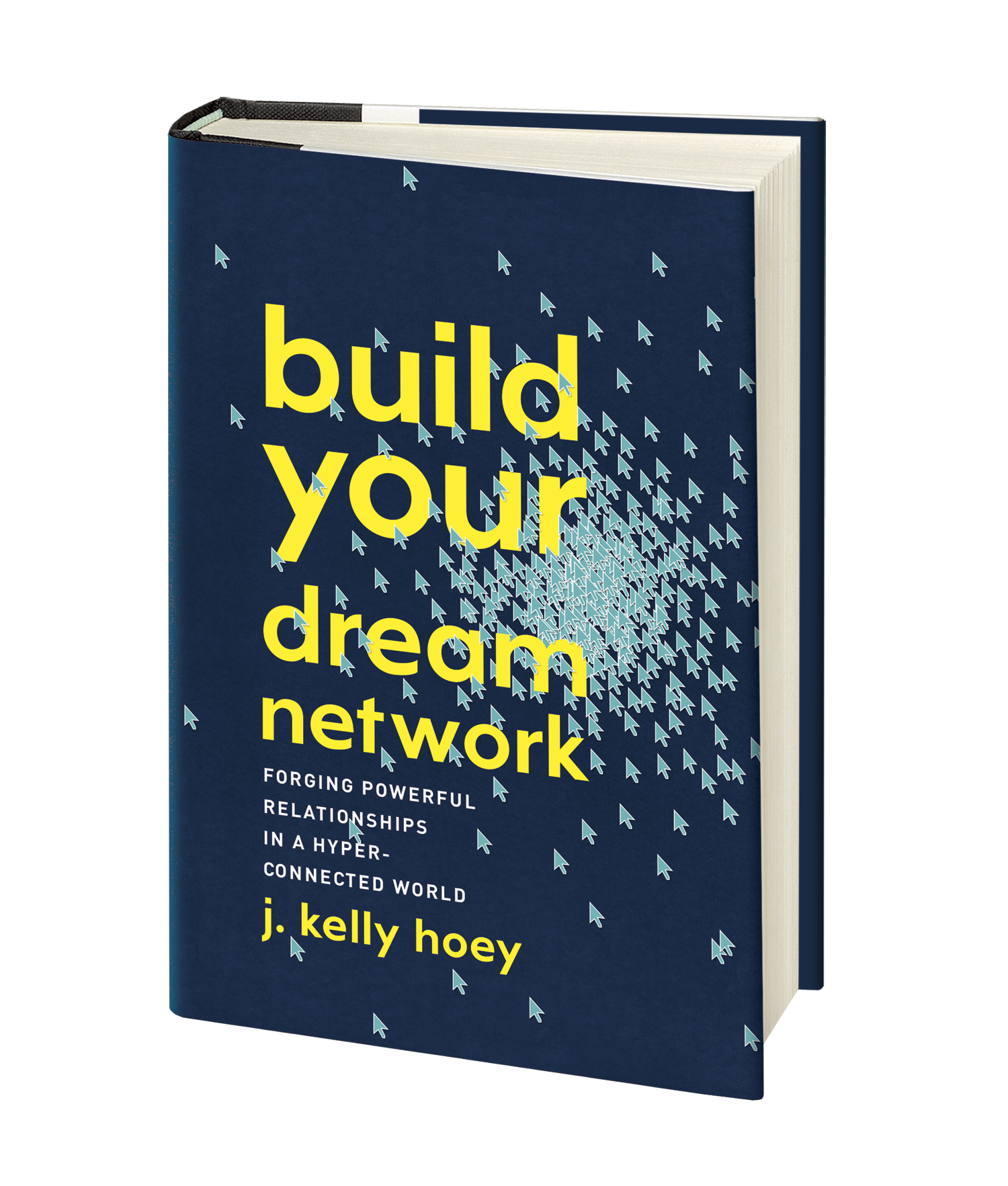
October 30, 2018 Featuring Kelly HoeyAuthor of “Build Your Dream Network: Forging Powerful Relationships In A Hyper-Connected World”

The key to finding that new client, coveted promotion, unexpected opportunity or next job (in a role or industry that may not even exist today) rests squarely in the networks you engage with and relationships you choose to build. In this webinar J. Kelly Hoey, Author of Build Your Dream Network: Forging Powerful Relationships In A Hyper-Connected World, contributor to Forbes.com and GOBankingRates.com and (according to Fast Company) is 1 of the 25 Smartest Women On Twitter, shifts our perspective on the act (and art) of networking, dismantles networking misconceptions and provides a network-driven framework for navigating career goals.

In Case You Missed It: Our 2018 Flex Advisor Workshop

Take Our 10 Question Quiz to See if Your Organization Needs Some Help with Its Flexible Work Initiative

Last week on National Flex Day we held our highly-anticipated annual Flex Advisor Workshop for those responsible for the day-to-day administration of a flexible work program. The one-hour webinar provided the Alliance’s valuable guidance on successfully developing, implementing and managing a flexible work initiative. In case you missed it, individuals from Member Organizations can view the webinar here.

Maybe you’re not sure if your organization’s flex policy is successful or not. Take our 10 Question quiz, and if you can’t confidently answer yes to all ten questions, it might be time to have a strategy call with our team for some guidance.

Not a member, not a problem! We’re happy to have a 30-minute introductory call with you to get you started on the right foot. Just let us know.


  1. Have you explored specifically WHY your organization wants to establish flexible work options?
  2. Have you mapped out your organization’s unique business case for flexibility?
  3. Have you considered the role flexibility currently plays and will play in the near future to close the impending leadership gap?
  4. Have you identified champions or leaders who are clearly communicating the importance of flexibility within your organization?
  5. Have you studied your attrition statistics and other exit data?
  6. Do all of your employees feel 100% comfortable using the flex policy?
  7. Do you have a written flex policy and is it accessible to everyone?
  8. Are you regularly measuring the success of your program, tracking usage and monitoring patterns in who is working flexibly and who is not?
  9. Are you holding mid-level managers accountable for the success of the program?
  10. Are you celebrating flex successes and otherwise encouraging usage?


Need some advice or just want to tweak your flexibility policy, let us know. We’re here to help. Contact Manar Morales to set up a call today.

Spotlight on Flex – Mark Miller

Our Spotlight on Flex showcases professionals from member organizations who exemplify personal and professional success while working a flexible schedule. Their stories illustrate the long-term benefits that flexible schedules offer to both individuals and organizations.

For October 2018, we are pleased to share insights from Mark Miller, Partner, Norton Rose Fulbright (Houston, TX).

Diversity & Flexibility Alliance: How have you made flexibility a priority and a success through your schedule?

Mark Miller: I just celebrated my 31st year at the firm doing ERISA work. I’m based in the Houston office, but for the past six years I split part of the month with our New York office. In the fall of 2012, I was billing hour after hour, and while I was driving home one night, the song Behind Blue Eyes came on. I thought. “I just want to pause…” I didn’t want to change jobs or law firms; I just wanted a pause. I always envisioned myself with a one job, one firm legal career; I had great clients, I loved the firm, and I didn’t want to change that.

I wrote a memo to the managing partner explaining how grateful I was to do the work I was doing, how much I loved my job, appreciated my clients, and enjoyed working with my colleagues. But I also explained my intention to take a five month sabbatical (from April to September). I didn’t want to telecommute or go reduced hours; I wanted to see if I could really unplug from big law. I needed more than a vacation, and I didn’t want to quit. It would have been easy to change law firms, but it would have been the same cycle over and over. That’s what I was trying to break away from.

The managing partner asked about the precedence for my request. I told him there wasn’t one, but the firm had a maternity/paternity leave policy, and we supported people going to rehab. He took my memo into consideration, and a few days later my request was fully approved. Among the many things this experience taught me, it affirmed the fact that you need to ask for what you want. I was ready and willing to quit my job if I had to, and I’m thankful it didn’t come to that.

Read more

Action Step -Highlights From the 2018 Annual Conference

The Alliance’s Action Steps are designed to assist organizations with implementing practical strategies and policies related to diversity and flexibility.  Members can access full versions of all of the Alliance’s Action Steps in the Member Resource Center.

The following are highlights from the many words of wisdom shared by our dynamic and engaging 2018 Annual Conference panelists and speakers:

– Nicole Collier, Director of Policy & Public Affairs, Nestlé: We see this urgency to address diversity and inclusion from the investor community. This needs to be a company-wide discussion where you can talk about differences outside of the workplace.

– Vipula Gandhi, Managing Partner, Eastern US, Gallup Inc.: Experiences matter, and the war for talent is more. Employees are looking and leaving; the world of work is evolving; there are more women and millennials; and when, why, and how we work has changed. Millennials need purpose, want a coach, and care about learning and development versus just having a job.

– Michelle Gold, Partner & Governance Committee Member, Fried Frank (2018 Flex Impact Organization Honoree): We want our associates back for their careers. The key has been communication, and no one size fits all. A person’s job is to speak up, and everyone has to share information.

– Sarah Goldfrank, Senior Vice President & Deputy General Counsel, Fannie Mae: We need to walk the walk and not just talk – that isn’t fair to employees. We have to ask what have we done to increase diversity within and beyond the company and hold ourselves accountable.


Read more