Getting to Know Our Conference Speakers -Tammy Wincup

We are so excited to have an amazing line-up of prominent leaders and trailblazers speaking at our 2018 Annual Conference Diversity + Flexibility = Embracing Change on Thursday, September 27.  We’ll be introducing these dynamic and engaging speakers throughout the summer and sharing their diversity and flexibility insights here on our blog. We’ve asked our speakers to answer a few questions about themselves, their approach to their career, and their lives. This week’s “Getting To Know Our Conference Speakers” post highlights Tammy Wincup, Chief Operating Officer at EVERFI.

Diversity & Flexibility Alliance: What’s the most important message you hope attendees will learn from your panel?

Tammy Wincup: The issues of diversity, inclusion, and flexibility are not taboo topics for just a few on the fringes of our organizations.  We must make them population level discussions even if we make mistakes.

DFA: When the next generation learns about the #MeToo movement what do you hope has changed?

TW: It took such courage for the first survivors to speak out.  But it will take the energy and commitment of all of us – each generation – to keep the recognition that work must not be a place of intimidation and fear.

DFA: What can we be doing to create more inclusive organizations?

TW: We must acknowledge that creating an inclusive organization is a daily journey.  As leaders we need to model it with actions large and small, and then we need to give the organization the support to create a culture that spreads it, over and over again, person by person.  It’s a journey, not an end-game.

DFA: Who has had the most influence on your career?

TW: Reed Hastings, founder and CEO of Netflix and Facebook board member. Netflix is Reed’s second company, and he is super honest about what mistakes he made the first time and how he is conscious of those everyday. He is also a huge believer in education reform and puts his time and resources into our industry as well. He has been a great role model to many of us.

DFA: How do you recharge?  Where and when are you most content?

TW: A good tough hike, a cup of tea, and a great novel that makes you ignore the rest of the world.

Join us for our Annual Conference on Thursday, September 27th and learn how Tammy and her fellow panelists are transforming their organizations’ cultures through diversity and flexibility. Their panel, Making Change Happen from the Inside-Out: Industry Leaders Shaping the Organizational Culture, will run from 2:00 – 3:00 pm.

Action Step -Supporting Parents Returning From Leave

The Alliance’s Action Steps are designed to assist organizations with implementing practical strategies and policies related to diversity and flexibility.  Members can access full versions of all of the Alliance’s Action Steps in the Member Resource Center.

Organizations need to support parents before, during, and after parental leave in order to retain top talent. In last month’s Action Step, Providing the Right Support Before Parental Leave, we discussed the need to support employees prior to parental leave by communicating available resources and policies, creating a systematic procedure for the transition of work, and utilizing existing and targeted programs to provide assistance. When employees return from parental leave, it’s crucial to ensure they receive adequate flexibility, guidance, and support to transition back to work successfully.

To help employees have smooth transitions back to work and avoid unwanted attrition, organizations should implement formal on-ramping and flexible work policies to help parents find their own work-life control, create a culture of acceptance for on-ramping policies through leadership promotion and education, and provide support through community, mentorship and guidance. By focusing on these key areas – Formal Policies, Culture of Acceptance, and Support & Resources – organizations can create smooth and seamless transitions back to work for parents. While the framework discussed in this action step focuses transition back to work from parental leave, organizations can apply these best practices for any family or medical leave or sabbatical.

Read more

Spotlight on Flex – Kelsey Morris

The Spotlight on Flex showcases professionals from member organizations who exemplify personal and professional success while working a flexible schedule. Their stories illustrate the long-term benefits that flexible schedules offer to both individuals and organizations.


For July 2018, we are pleased to share insights from Kelsey Morris, Associate, Akin Gump Strauss Hauer & Feld (Irvine, CA)

Diversity & Flexibility Alliance: How have you made flexibility a priority and a success through your schedule?

Kelsey Morris: Right after law school, I started at Akin Gump’s LA office, and I was there from 2011-2015. I left to complete a one year, federal clerkship with the US District Court for the Central District of California. My daughter was born right at the end of my clerkship in 2016. At this point, I was at a crossroads in my career – I knew I wanted to continue practicing and spend the most time I could with my daughter while she was young. I just didn’t see a path forward at big law that would meet those needs at the time. I decided to start teaching legal writing at USC law school and took on projects as an independent contractor to keep up my legal practice. I was doing this for about five months when a former colleague from Akin Gump called and asked if I would join the litigation practice in the firm’s Irvine, CA office. My daughter was almost a year old, and I had a clearer vision of how I wanted to practice law and how much time I wanted to be available for my family versus work. I knew I wanted to come back and how I wanted to come back.

Akin Gump, and particularly the partners in Irvine, graciously worked with me to find the right arrangement. This year, I am working at a 60% reduced hours schedule and come into the office at least three days a week. It may not be a traditional schedule, but I make sure I’m fully present when I’m here, and I’m logged in and available remotely the rest of the week.

My flex success doesn’t just originate with me – without the practical support and understanding of my colleagues in Irvine, this wouldn’t work. For my part, though, I think success comes from mentally committing to my schedule. I was fortunate to have worked for senior women who were on flex schedules when I first started at the firm, and they were open with me about what flex looked like for them. I learned that for the sake of yourself and your work, you have to commit to your flex schedule – whatever that may look like. Someone on a 60% reduced hours schedule can’t take on the same case load as someone working at 100% and then still only work 60%. It doesn’t work that way. You have to communicate your schedule from the beginning and mentally note that you took a pay cut for the reduced hours. When you take on too much, you’re doing a disservice to yourself, the firm, and your clients. You also confuse your colleagues because they won’t know how much work they can and should be giving you. When you make a commitment to flex, you make it fairer for everybody.

Read more

Are Your Organization’s Flexibility Goals Backed By Data?

There’s no doubt we live in a data-driven world. If you don’t have good data, you may not be making good decisions.

As an organization that collaborates with firms and corporations on diversity and flexibility initiatives, we at the Alliance always advise our members to gather data by tracking, monitoring and assessing their programs to ensure their ongoing success. If you don’t track and quantify, you’ll never know if your policy is meeting the needs of your employees and is successfully improving your bottom line. Success in the area of flexibility really translates to the recruitment and retention of engaged, fulfilled, effective and diverse talent.

We also take our own advice to heart. We couldn’t provide the advice that we do without backing it up with sound data. Over the last five years we’ve been able to advise our members on the challenges, opportunities and future trends in flexibility in the legal industry by surveying top US law firms. Initially, our benchmarking survey revolved around whether firms actually had a written flexibility policy. The survey has evolved to include expanded questions on different types of flexibility and leave policies offered and the types of employees, by race, gender, sexual orientation and position, who actually use the policy. For example, do attorneys on a partnership track feel comfortable telecommuting? Are those returning from caregiver leave provided support, tools and fair compensation? Does the firm use surveys, interviews, evaluations and pilot programs to ensure that the program is meeting the needs of its employees?

In particular, our survey seeks to help firms uncover and remove biases and thereby allows them to offer policies that can truly impact the success of their business. Firms that participate in our survey are able to benchmark themselves against others in the industry and uncover the gaps in their policies and its usage.

We recently released the results of our 2017 Law Firm Flexibility Benchmarking Survey. The survey, which is available in full to our members and participant firms, (the Executive Summary is available to everyone else) allows us to take a glimpse at the state of the legal industry and predict the most important trends we see moving forward.

From the data, we’re able to advise law firms on how they can lead the industry in recruitment and retention of top talent. Whether it’s through increasing the types of leave policies and expanding their reach, offering extra compensation and additional support following a leave, or simply creating a more inclusive environment that ensures a culture that embraces flexibility, firms that want to meet the needs of the workforce of the future need to be on top of the current trends.

Our Annual Conference on September 27 will highlight the latest research and trends in flexibility and provide attendees with the key steps to take to truly embrace flexibility and its benefits. Register to join us today.

Getting to Know Our Conference Speakers -Dr. Cindy Kelley

We are so excited to have an amazing line-up of prominent leaders and trailblazers speaking at our 2018 Annual Conference Diversity + Flexibility = Embracing Change on Thursday, September 27.  We’ll be introducing these dynamic and engaging speakers throughout the summer and sharing their diversity and flexibility insights here on our blog. We’ve asked our speakers to answer a few questions about themselves, their approach to their career, and their lives. This week’s “Getting To Know Our Conference Speakers” post highlights Dr. Cindy Kelley, Vice President of Medical Education at Summa Health.

Diversity & Flexibility AllianceWhat was the most meaningful piece of leadership advice you received?

Dr. Cindy Kelley: The most meaningful piece of leadership advice I received was…Be vulnerable.  I had to learn this from my own experience, the power of vulnerability.  And when I started reading more leadership books, I learned that the successful leaders are the ones who aren’t afraid to be vulnerable.  As leaders, we need to understand how important it is to:
a. Recognize that we don’t know it all,
b. Be open, truly open, to all ideas and perspectives, and
c. Be able to admit when we’ve made a mistake.  If more leaders could be vulnerable and role model this kind of openness, we’d see growth and change happen so much faster.

DFA: How do you recharge?
CK: I recharge at home.  I live in northeast Ohio so my recharging rituals vary depending on the weather!  In the winter, I’m most content on my couch with a fire in the fireplace and a book in my hands.  In the summer, trade the couch for an outdoor lounge chair, and the fireplace for our pool.  Keep the book in my hand!  I also love a morning walk with my dog; even better when one of my kids joins me. And yoga.  Ah, yoga!
DFA: What do you know now that you wish you knew then?

CK: I know this but I’m still trying to do it!  And that is, fight the urge to always be in the next place doing the next thing.  My daughters are the best ones at reminding me how important it is to be fully engaged in what I am doing right now.  My 8 year old even gently puts her hands on either side of my head, turns it so I’m looking directly at her and says, “Mom, you need to look at me,” when she knows I’m only half-listening to her.  Kids know.

DFA: What can we be doing to create more inclusive organizations?

CK: I think creating more inclusive organizations begins with a few basic things. First, we need to listen.  Listen to each other, to people that don’t look like us/talk like us/dress like us.  We need to listen for and find the places where we overlap:  our values, needs, wants. Those are the same no matter what other differences we might have.  Next, when we are ready to talk, we need to change the words we use.  We need to use kinder words, and words that are free from bias and judgement.  That’s hard.  Not because we want to use hurtful language, but because we’ve learned this language over time from powerful influences all around us.  But we can change the dialogue and I believe that is where real change begins.  Lastly, we need to show up.  To meetings, town halls, events.  If you are lucky enough to be in a leadership role, you have the obligation to use your time, your most valuable asset, to make the world a better place.


Join us for our Annual Conference on September 27th as Dr. Kelley accepts the Flex Success Award with Dentons Partner Lori Mihalich-Levin and shares how together they have been able to create a successful relationship that supports flexibility and advances inclusive cultures.

Action Step -Providing the Right Support Before Parental Leave

The Alliance’s Action Steps are designed to assist organizations with implementing practical strategies and policies related to diversity and flexibility.  Members can access full versions of all of the Alliance’s Action Steps in the Member Resource Center.

In order to retain top talent, companies and firms need to support parents before, during, and after parental leave. While more organizations are utilizing on-ramping programs and providing support to parents returning from leave, organizations also need to remember to focus on smoothly transitioning parents to parental leave to promote team productivity, enhance client satisfaction, and reduce turnover.

To help with this process, companies and firms need to communicate available resources and policies, create a systematic procedure for the transition of work, and provide support through existing and targeted programs. By focusing on these key tasks – Communicate, Systematize, and Support – organizations can accomplish a smooth and seamless transition for parents to parental leave. While this action step focuses on easing employees’ transitions to parental leave, organizations can apply these best practices for any family or medical leave.

Read more

Getting to Know Our Conference Speakers -Sarah Alexander Goldfrank

We are so excited to have an amazing line-up of prominent leaders and trailblazers speaking at our 2018 Annual Conference Diversity + Flexibility = Embracing Change on Thursday, September 27.  We’ll be introducing these dynamic and engaging speakers throughout the summer and sharing their diversity and flexibility insights here on our blog. We’ve asked our speakers to answer a few questions about themselves, their approach to their career, and their lives. This week’s “Getting To Know Our Conference Speakers” post highlights Sarah Alexander Goldfrank, Senior Vice President & Deputy General Counsel in the Legal Department at Fannie Mae.

Diversity & Flexibility AllianceWhat was the most meaningful piece of leadership advice you received?

Sarah Alexander Goldfrank: From Frances Frei (Harvard Business School), “Leadership, at its core, is about making other people better as a result of your presence—and making sure that the impact lasts in your absence.”

DFA: How do you pay it forward?

SAG: By being an active mentor, sponsor, and cheerleader.

DFA: What can we be doing to create more inclusive organizations?

SAG: It all begins at the individual level – the relationships we foster and develop, the connections we make, the bonds and trust we build, the barriers we breakdown. Those individual, human connections are the foundation of an inclusive organization.

Join us on September 27th to hear Sarah’s panel “Making Change Happen from the Outside-In: The Power of Client Persuasion.” Sarah will join other leading in-house counsel to discuss the importance of diverse teams and inclusive cultures, both internally and externally, and the role they are playing to make change happen from the outside-in with their law firms and other vendors.

Global: Staying Productive in Modern Work Environments

June 21, 2018 

Featuring — Paul H. Burton, Founder & Principal, QuietSpacing LLC


Others work while we sleep. That has never been more true than it is today. Technology speeds communications up while response time expectations shrink. Organizations constantly grow, physically and geographically, casting people and projects far and near. The only certainty is that this trend will continue for the foreseeable future.Keeping up with globalism is a daunting prospect. How can we stay abreast without losing sight of the purpose for participating – enjoying rewarding personal and professional lives? What choices do we have and what actions can we take to best serve our clients, our loved ones and ourselves?

This program explores those questions, offering up eighteen suggestions on how to make the most of the time we have in this rapidly expanding playing field. We’ll address the following topics:

– Leveraging Distributed Work Environments. Working with people distributed across differing geographic locations is challenging. Consider these six suggestions on how to leverage this environment.

– Running the Day Productively. Getting the work done is always Priority One. Here are six ways to facilitate that goal.

– Demonstrating Global Leadership. Leadership is a state of mind, regardless of title or position. Here are six ways we can regularly demonstrate leadership on a global basis.

Attending this program you will:
– Gain a clear understanding of how our actions impact the global workplace
– Learn eighteen ways to work better together, get our work done and lead others.
– Use traditional and cloud-based exercise tools to enhance engagement and your understanding of the materials.

The workplace grows more global every day. We can react to that fact or we can lean in and participate. Choose to participate by attending this program.

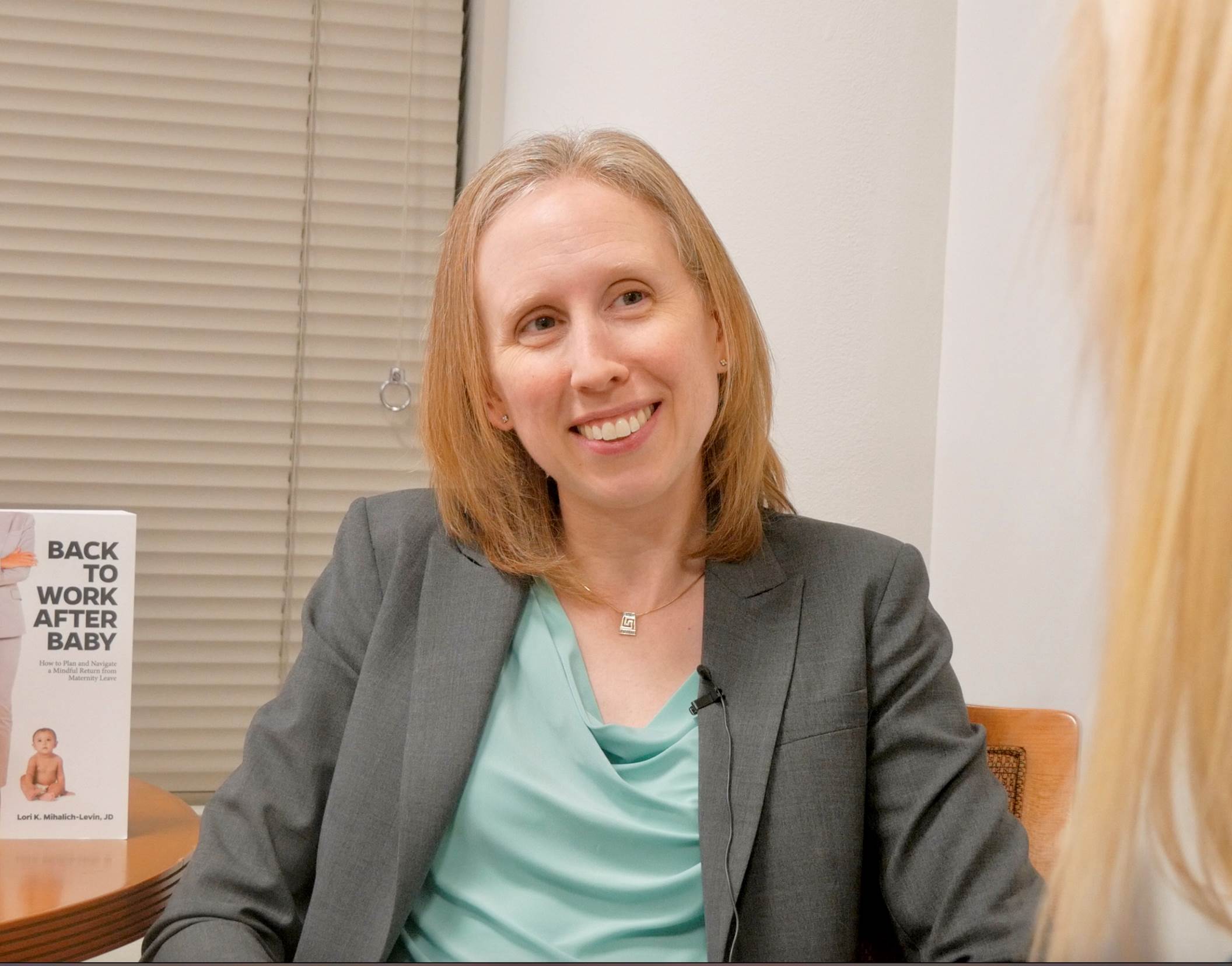
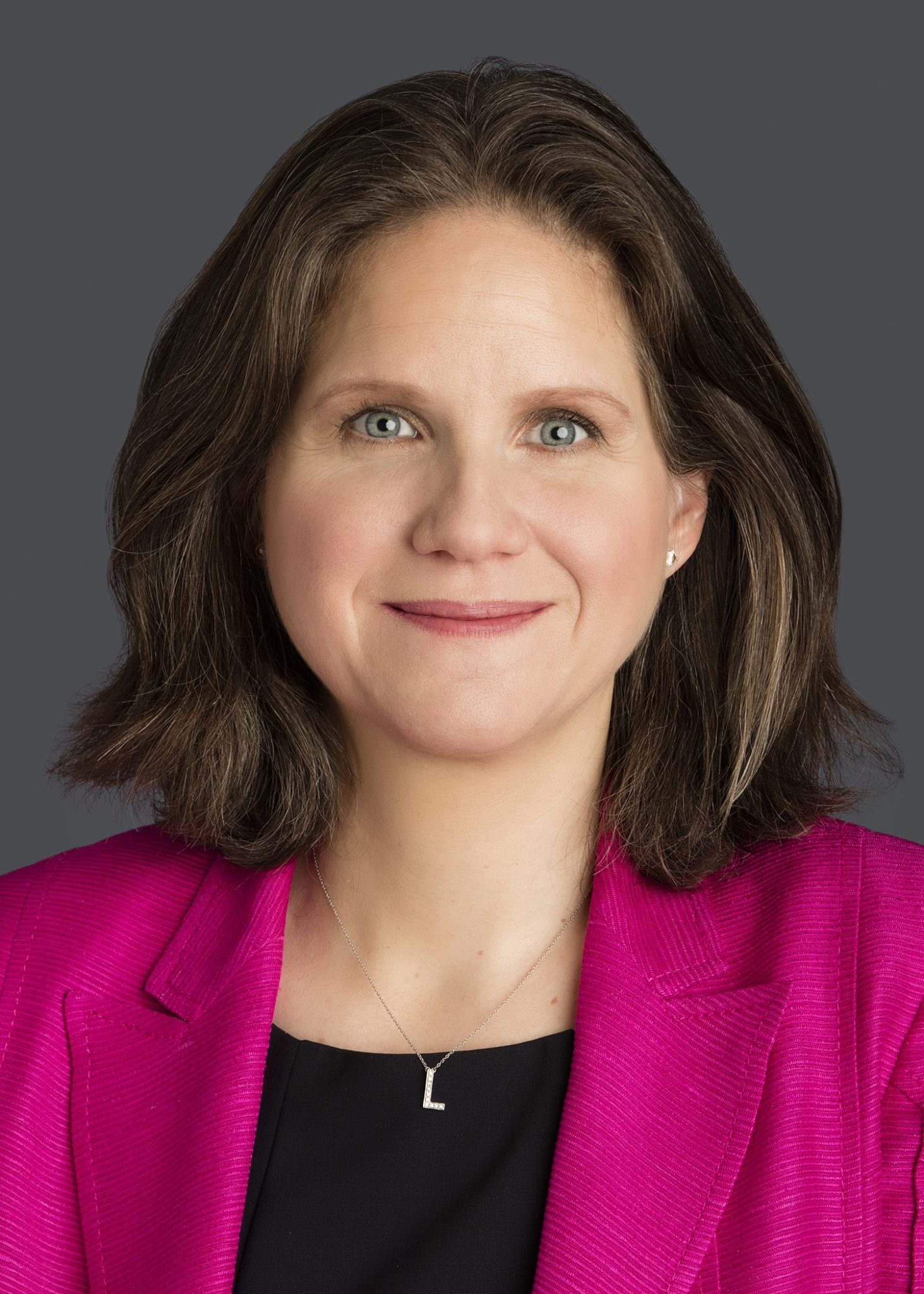
Getting to Know Our Conference Speakers -Lori Mihalich-Levin

We are so excited to have an amazing line-up of prominent leaders and trailblazers speaking at our 2018 Annual Conference Diversity + Flexibility = Embracing Change on Thursday, September 27.  We’ll be introducing these dynamic and engaging speakers throughout the summer and sharing their diversity and flexibility insights here on our blog. We’ve asked our speakers to answer a few questions about themselves, their approach to their career, and their lives. Our first “Getting To Know Our Conference Speakers” post highlights Lori Mihalich-Levin, Partner at Dentons.

Diversity & Flexibility Alliance: What’s the most important message you hope attendees will learn from your presentation?

Lori Mihalich-Levin: That there are law firms that are committed to creativity when it comes to flexible arrangements, and that these arrangements can play a huge role in retaining talent.  There are also clients that are extremely supportive of flexibility, and it’s quite possible to have stellar client relationships and a flexible schedule.

DFA: What was the most meaningful piece of leadership advice you received?

LM-L: Recognize your worth, value, and what you bring to the table.  For example, you know all those skills you’re gaining in parenthood?  They are, in fact, useful in the workplace, too!

DFA: How do you recharge? Where and when are you most content?

LM-L: I recharge every day in two key ways.  In the morning, before breakfast, I do 15 minutes of yoga and meditation on the dining room floor.  Yes, I’m sometimes interrupted (and climbed on!) by my kids, but I keep at it.  And after work, I recharge by turning off all electronics between 5 and 8pm to really be present with my husband and two boys.  I am most content when my day includes both meaningful connections with people I care deeply about and some alone time.

DFA: What do you know now that you wish you knew then?

LM-L: That my career would turn out just fine, without my knowing every detail in advance.  I want to tell the 5th grade me who checked a huge book out of the library on various careers, read it cover to cover, and insisted she decide on one, that she should go outside and play!

DFA: How do you pay it forward?

LM-L: I pay it forward by committing to helping new parents navigate the rocky terrain of those early years of working parenthood.  I do this not only through the Mindful Return program I founded, but by intentionally connecting with and mentoring new parent colleagues at my office.

DFA: What can we be doing to create more inclusive organizations?

LM-L: We can relax our grip on the belief that there is one, and only one, “way it’s done.”  Being open to creative approaches makes an organization more appealing to those who may not “fit the mold.”

Join us on September 27th as Lori accepts our 2018 Flex Success Award with her client, Dr. Cindy Kelley of Summa Health, and shares her insights and advice on achieving flex success while providing excellent client services and achieving partnership. 

Action Step -The Building Blocks for a Successful D&I Initiative

The Alliance’s Action Steps are designed to assist organizations with implementing practical strategies and policies related to diversity and flexibility.  Members can access full versions of all of the Alliance’s Action Steps in the Member Resource Center.

A successful diversity and inclusion program requires clear focus, strong implementation of activities to meet delineated goals, and responsibility assigned to key players to effectively lead and engage in these activities. Whether your organization is looking to start a new D & I program or reenergize/resolve an existing one, the Alliance’s building blocks provide guidance for a successful initiative. By following each step in this path – ASSESS, ARTICULATE, ALIGN, and ACTIVATE – your organization can achieve a strong D & I program with specific objectives, focused activities, and measurable outcomes.

ASSESS State: The first critical step is to assess the current state of your organization’s D & I needs with respect to attracting, retaining, and advancing top talent. Organizations often look to see new programs and policies their peers are implementing, but you want to make sure those programs and policies meet the specific needs of your organization. To truly understand your organization’s unique D & I needs, start by analyzing various data points. For example, assess the demographic breakdown at each level of the organization to gain insights into any glass ceiling effects, review exit interviews to see if there is a disproportionate turnover rate with women and/or underrepresented demographic groups, analyze employee opinion surveys to see if there are any D & I issues raised, and review your organization’s check-in meetings with new hires to recognize challenges with recruiting top diverse talent. In addition, you should further investigate any red flags through focus groups and one-on-one interviews in order to gain essential first-person perspectives…


Read more