DFA’s Action Steps are designed to assist organizations with implementing practical strategies to humanize the workplace, empower people, and foster innovation. Members can access full versions the Action Steps in the Member Resource Center.

The organizations that will move forward most effectively will be those building the internal capacity to lead change well.

As we look ahead, we can assume the one thing that will not change is change itself. We are living and working in a super-cycle of change. Organizations are navigating rapid technology acceleration, evolving workforce expectations, shifting business priorities, and ongoing disruption, often all at once.

In this kind of environment, the ability to lead through uncertainty and help people thrive becomes an essential skill.

….

This Action Step invites leaders to assess and strengthen their organization’s “change readiness” muscles by evaluating how effectively their teams, managers, systems, and culture support change in practice.

….

Set aside time to conduct a simple organizational Change Readiness Audit.

Step 1: Identify a Current or Upcoming Change Initiative

Select one organizational shift currently underway or expected in the near future. This could include:

….

Members: Read the full version of this Action Step in the Member Resource Center.

To read this entire Action Step become a DFA member.
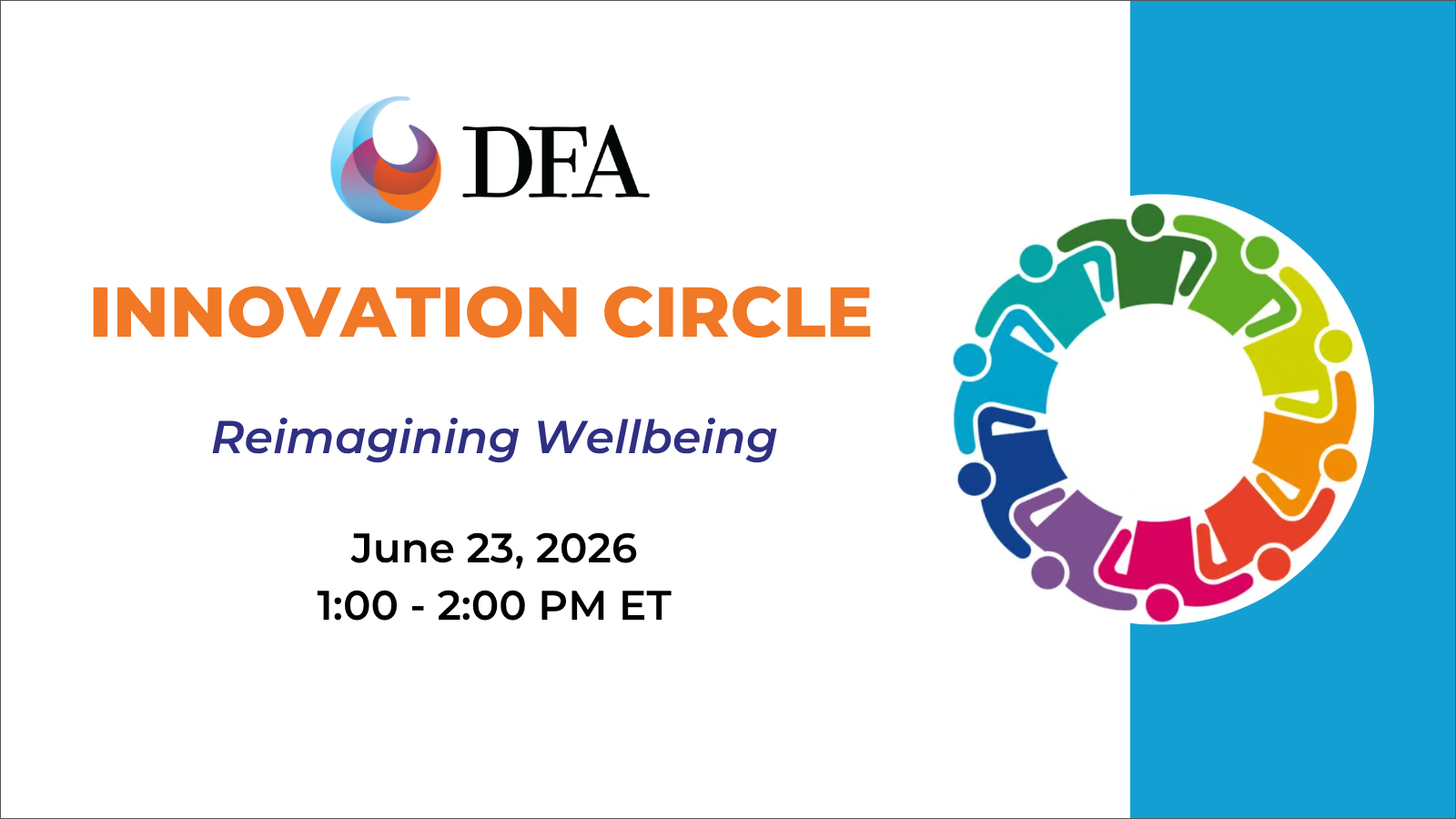
Innovation Circle

Reimagining Wellbeing

June 23, 2026 | 1:00 – 2:00 PM ET

Grounded in emerging workplace realities around burnout, overload, shifting expectations, and constant change, participants will discuss practical reframes around wellbeing, ambition, productivity, boundaries, and shared responsibility while exploring what it takes to build human-centered workplaces that support both people and performance.

Eligibility: This session is designed for Diversity, Talent, HR, and Wellbeing leaders, as well as those responsible for overseeing wellbeing initiatives at the director level (or the equivalent thereof) and above. This event is open to DFA members only.

Participants should come prepared to have their cameras on and ready to share and participate in the facilitated conversation.

Members: Register in the Member Resource Center or by contacting us.

DFA’s Action Steps are designed to assist organizations with implementing practical strategies to humanize the workplace, empower people, and foster innovation. Members can access full versions the Action Steps in the Member Resource Center.

Burnout remains widespread. Engagement has weakened. Manager engagement is dropping. Across recent workplace data, the signal is consistent and sobering: people are being asked to sustain performance in systems that often do not sustain them.

The question across our membership is no longer whether wellbeing depends on organizational conditions. It does. The question now is how to build those conditions inside organizations that were not designed for them, amid pressures that do not pause.

Organizations cannot demand sustainable excellence from people while ignoring the human conditions required to produce it.

Sustained ambition requires sustained energy, which in turn requires structures, norms, and leadership behaviors that many organizations are still learning how to build. Leading these efforts requires us to reframe the conversation around wellbeing:

  • Wellbeing is not only what we provide to individuals, but also the conditions we create around them. Holding both is a shift in how we think about the work.
  • Real wellbeing work shapes staffing, deadlines, performance signals, leader modeling, meeting norms, and recovery rhythms. Those are structural questions, and structural change requires sponsorship, sequencing, and reinforcement.
  • The shifts we are talking about land more deeply when leaders embody them. That is true of every meaningful change effort, and it is especially true of this one.

How do we create the conditions for people to thrive amid overload, fragile trust, constant change, and outdated leadership norms so the organization can continue to deliver sustained excellence?

The five reframes that follow are how we answer this question. They are also the framing shifts that have to land before any organizational wellbeing strategy can move from individual programs to systemic change. As you use them, look for the structural habits, leadership behaviors, team norms, and policies that are shaping people’s capacity to thrive….

Members: Read the full version of this Action Step in the Member Resource Center.

To read this entire Action Step become a DFA member.
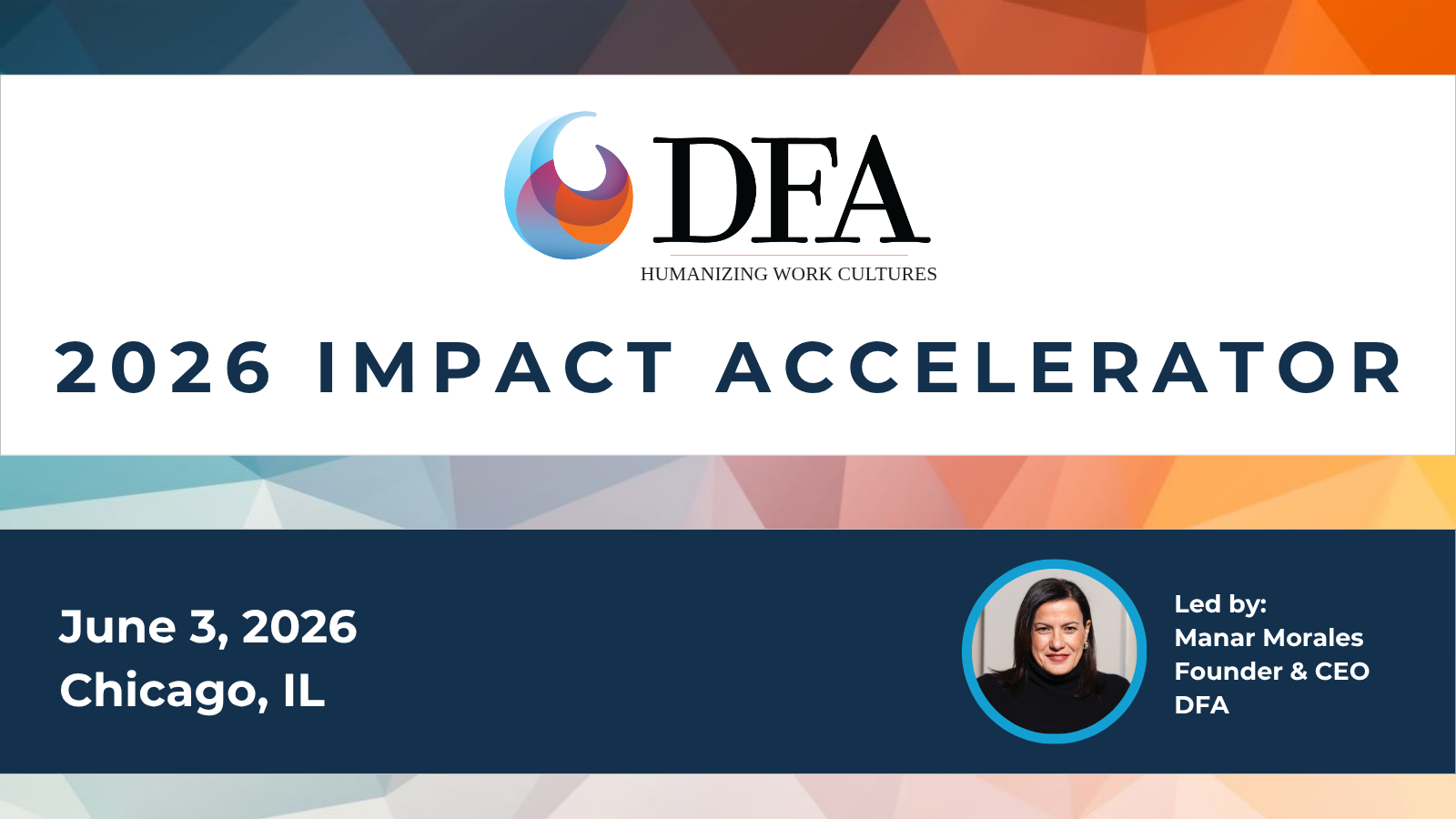
Announcing the 2026 DFA Impact Accelerator

June 3, 2026 | 9:30 – 4:00 PM CT | Chicago, IL

Every leader we talk to has at least one idea or initiative that matters deeply to their organization and isn’t gaining the traction it should.

The challenge usually isn’t knowing what needs to happen. It’s building alignment, navigating resistance, and sustaining momentum when everything else keeps competing for attention.

The DFA Impact Accelerator is designed for exactly that.

On Wednesday, June 3, 2026, in Chicago, a small cohort of leaders will work through DFA’s S.P.A.R.K. Framework for Igniting Change and apply it directly to a real idea or initiative they are leading. They’ll leave with a concrete strategy, clear priorities, and a practical 90-day plan for execution.

The Impact Accelerator is limited to 40 participants to ensure a focused, high-value experience.

Eligibility: This event is open to DFA members and non-members.

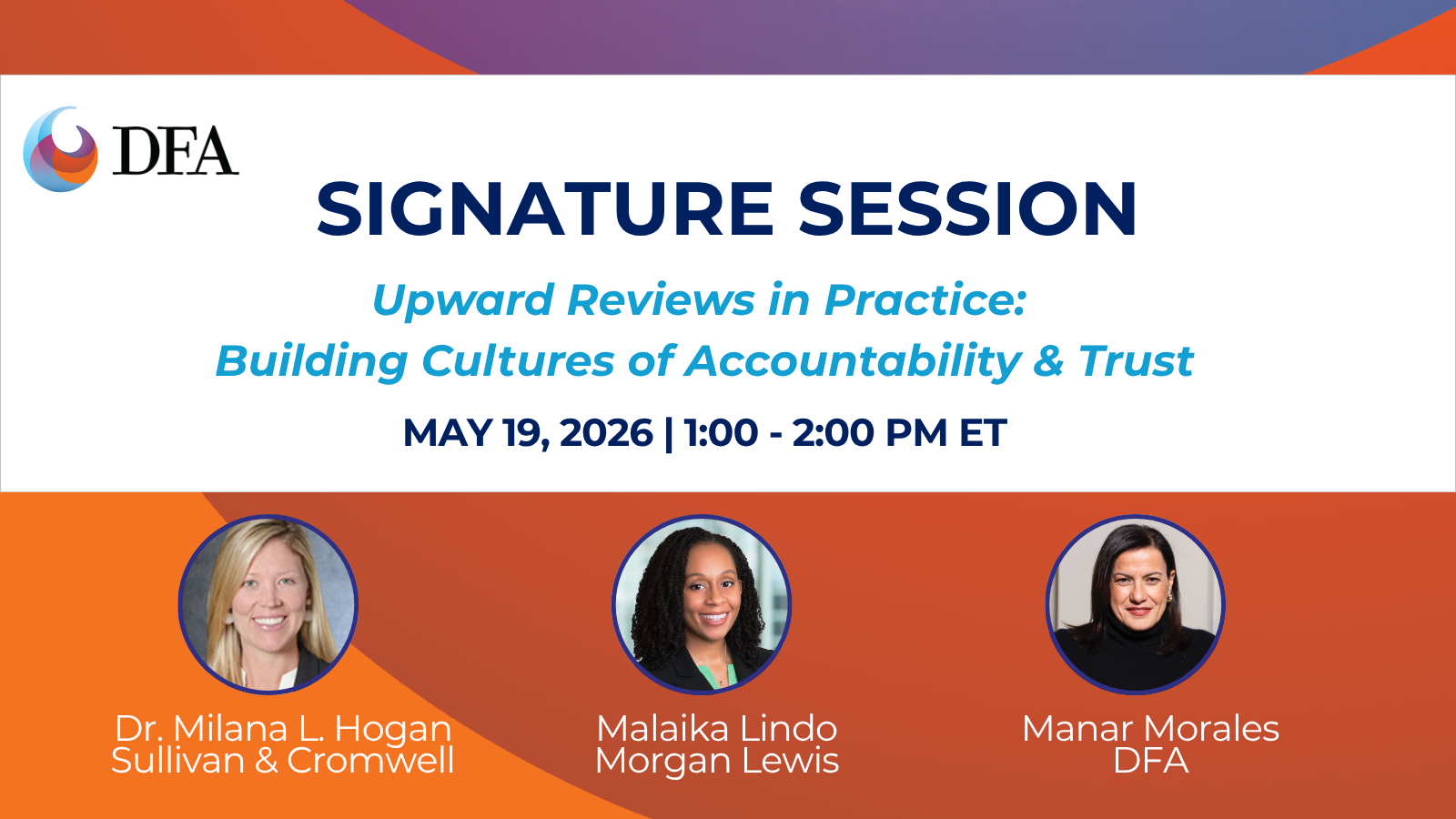
Signature Session

Upward Reviews in Practice: Building Cultures of Accountability and Trust

May 19, 2026 | 1:00 – 2:00 PM ET

Featuring:

What does it actually take to give employees a meaningful voice in shaping the leadership around them? This candid panel brings together people leaders from organizations that have successfully embedded upward feedback into their performance cultures.

By treating feedback as a two-way conversation rather than a top-down exercise, these firms have built cultures of reflection, accountability, and continuous learning that benefit employees and leaders alike. Panelists will share the real-world decisions behind their programs including how they earned buy-in, created psychological safety, and connected feedback to growth rather than consequence.

Whether you’re exploring upward reviews for the first time or strengthening an existing process, this session delivers practical takeaways from firms that have turned upward feedback into lasting cultural change.

Eligibility: This event is open to DFA members only.

Members: Register in the Member Resource Center or by contacting us.

DFA’s Action Steps are designed to assist organizations with implementing practical strategies to humanize the workplace, empower people, and foster innovation. Members can access full versions the Action Steps in the Member Resource Center.

Why Connection, Why Now

People are carrying more than we can see. Burnout is at an all-time high, engagement is at 2014 levels, manager engagement is down, and what researchers are calling “quiet cracking” is often not quiet at all. It is visible. We are just not asking.

Connection is not a nice-to-have, it is the foundational work of organizational life. When people feel genuinely connected, to themselves, to the people they work with, and to the organization they are part of, everything works better: work feels more meaningful, teams function more effectively, and people stay. When connection is absent, everything is harder. And no initiative, program, or policy fills that gap.

At DFA, we believe culture lives at the intersection of intentions and interactions. Intentions are the values and commitments that define who an organization says it is. Interactions are the everyday behaviors that shape how people experience it. Every person in an organization is a culture carrier, every interaction adds to the culture that others experience, and connection is the thread that runs through all of it…..

The Inner Work of Connection

You cannot pour from an empty cup. It is very difficult to connect with others if you have lost connection with yourself. When people feel depleted or cut off from their own sense of purpose, it shows up in how they communicate, how they make decisions, and how they show up in relationships. The inner work of connection rests on three anchors:

  1. Presence is about being honest with yourself about your current state, what you are carrying, what is draining you, and what is giving you energy. Ask yourself: How am I feeling right now? What is draining me? What is fueling me? Where is the imbalance? Sometimes we spend more time thinking about something than it would take to address it. The drains and fuels exercise is a simple way to reconnect with where you are, surface what is within your control, and reclaim micro moments of fuel that may only take minutes.

Members: Read the full version of this Action Step in the Member Resource Center.

To read this entire Action Step become a DFA member.
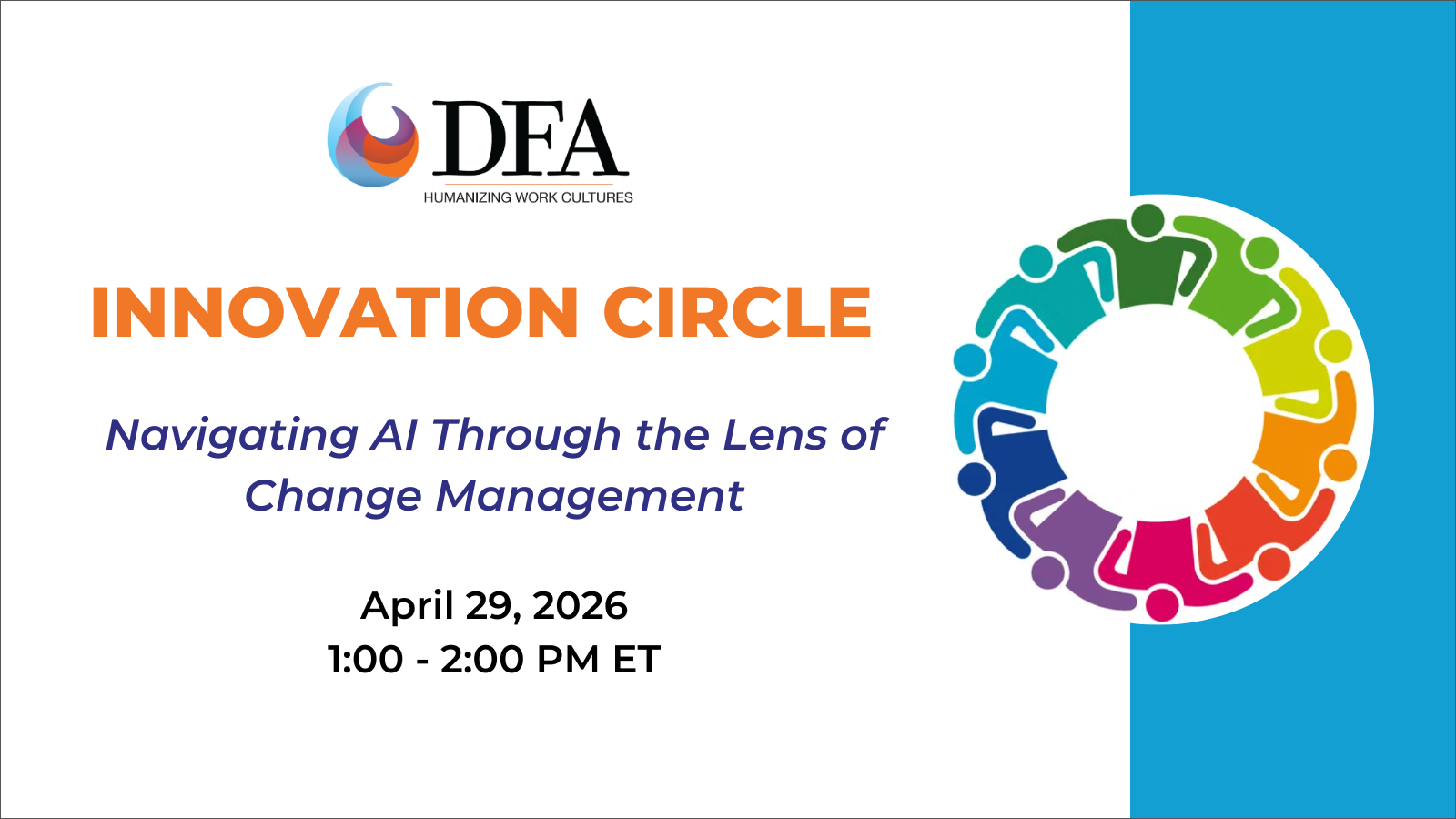
Innovation Circle

Navigating AI through the Lens of Change Management

April 29, 2026 | 1:00 – 2:00 PM ET

As organizations continue to explore the possibilities of AI, leaders are also facing the human side of adoption. In this Innovation Circle, DFA members will come together in a confidential, collegial setting to discuss how AI initiatives intersect with change management, leadership, and workplace culture.

Eligibility: This session is designed for Diversity, Talent, HR, and Wellbeing leaders, as well as those responsible for overseeing change initiatives at the director level (or the equivalent thereof) and above. This event is open to DFA members only.

Participants should come prepared to have their cameras on and ready to share and participate in the facilitated conversation.

Members: Register in the Member Resource Center or by contacting us.

Signature Session

The Art & Science of Constructive Disagreement

Feat. Julia Minson, Ph.D., Professor of Public Policy, Harvard Kennedy School

March 26, 2026 | 1:30 – 2:30 PM ET

In this session, Harvard Professor and behavioral scientist, Julia Minson, will discuss key ideas from her new book, How to Disagree Better. Based on decades of rigorous research, the book offers practical tools to help people discuss opposing views with authenticity, engagement, and care. How to Disagree Better is a must-read for anyone who understands the necessity of robust disagreement for our society, our businesses, and our families and yet does not want to have a life filled with misunderstanding and conflict. Research offers us a better way to disagree, and Julia distills it into clear frameworks and actionable tools.

You can pre-order a copy of How to Disagree Better (out March 24, 2026) using this link.

Eligibility: This event is open to DFA members only.

Members: Register in the Member Resource Center or by contacting us.

DFA’s Action Steps are designed to assist organizations with implementing practical strategies to humanize the workplace, empower people, and foster innovation. Members can access full versions the Action Steps in the Member Resource Center.

Most affinity groups begin with genuine energy and care. People show up because they want to connect, support one another, and help create a more inclusive workplace. Over time, though, that early momentum can start to fade as leaders change, participation ebbs and flows, and expectations change. What once felt organic can begin to feel heavy or unclear.

The challenge is rarely a lack of commitment. More often, it’s a lack of shared clarity around purpose, planning, and implementation.

This Action Step offers a practical way to re-anchor affinity groups in what matters most. It also provides tools for clarifying roles at the individual, group, and organizational levels, while designing structure in a way that strengthens community rather than constraining it.

When affinity groups are built with purpose, they become spaces where people feel connected, supported, and empowered to contribute.

The 3 Points of Purpose Framework

Affinity groups thrive when they stay grounded in three core areas:

  1. Connection…
  2. Cultivation…
  3. …..

Members: Read the full version of this Action Step in the Member Resource Center.

To read this entire Action Step become a DFA member.